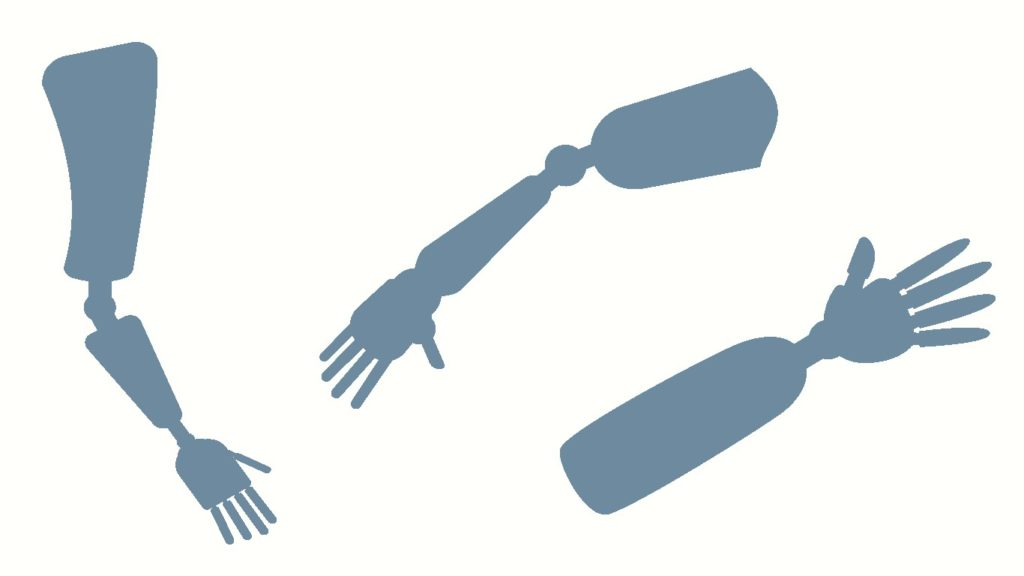
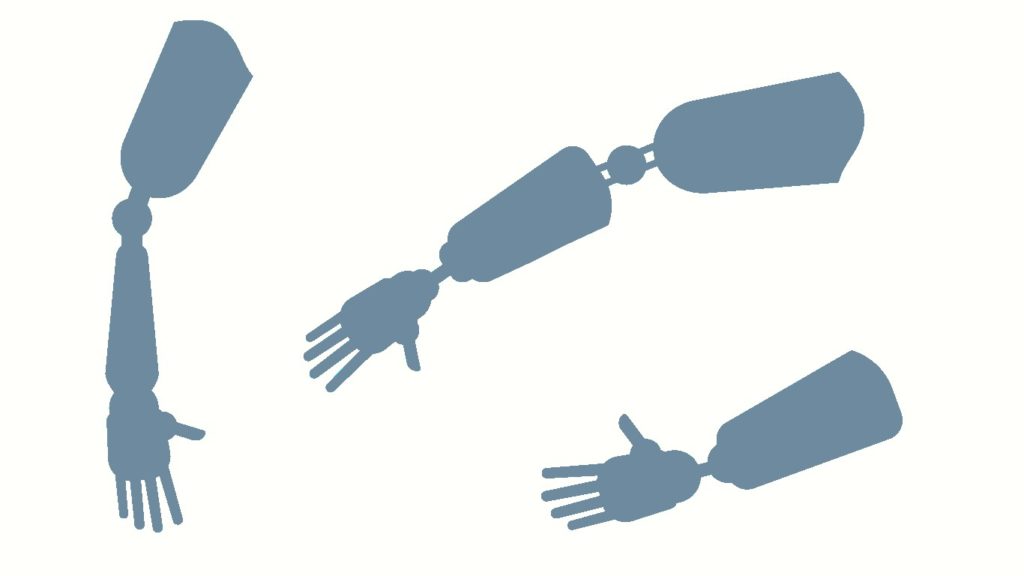
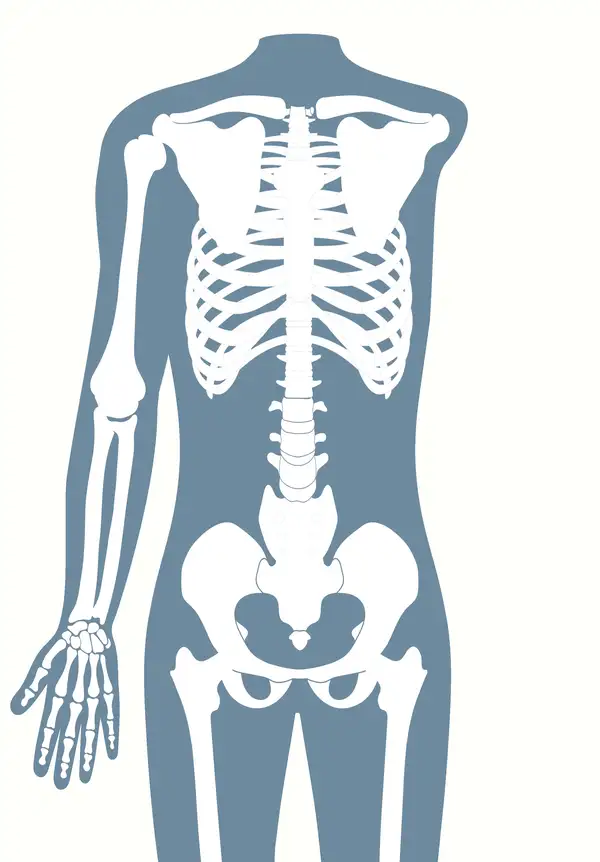
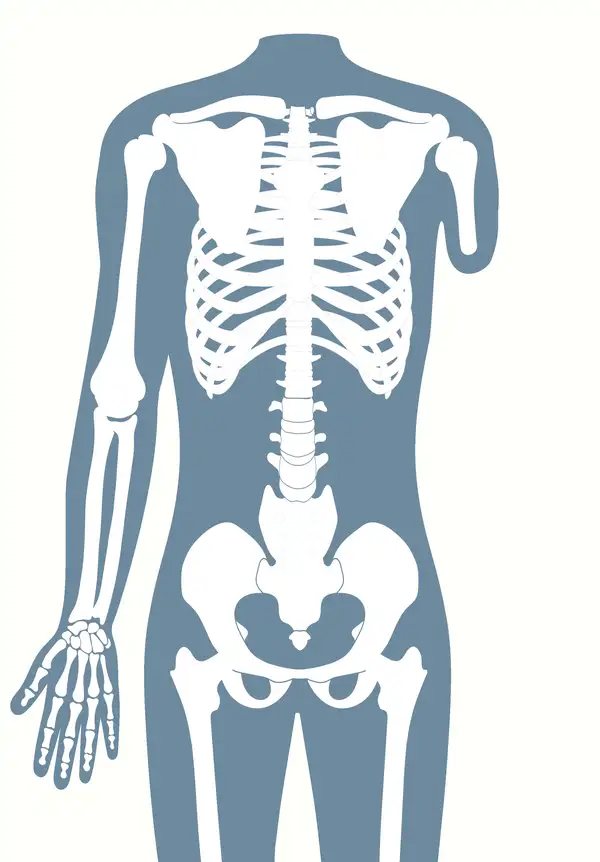
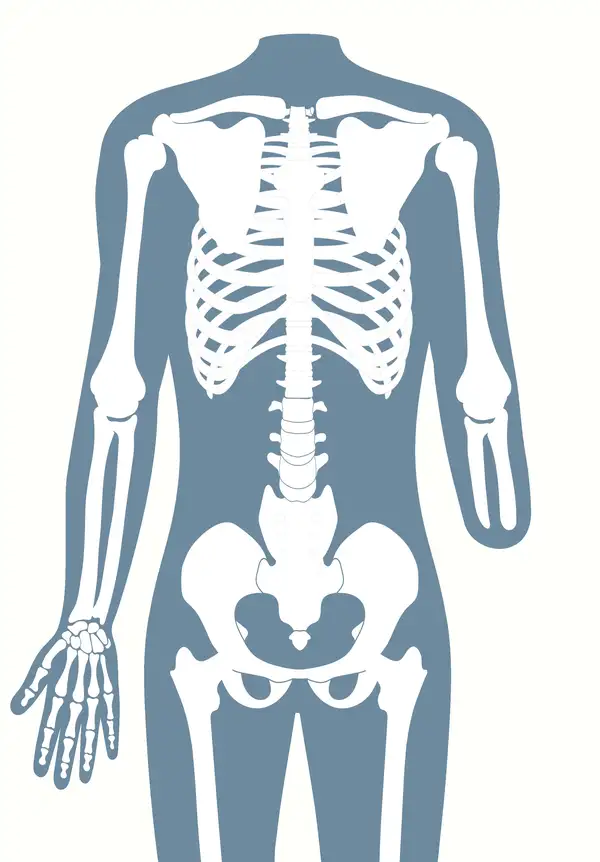
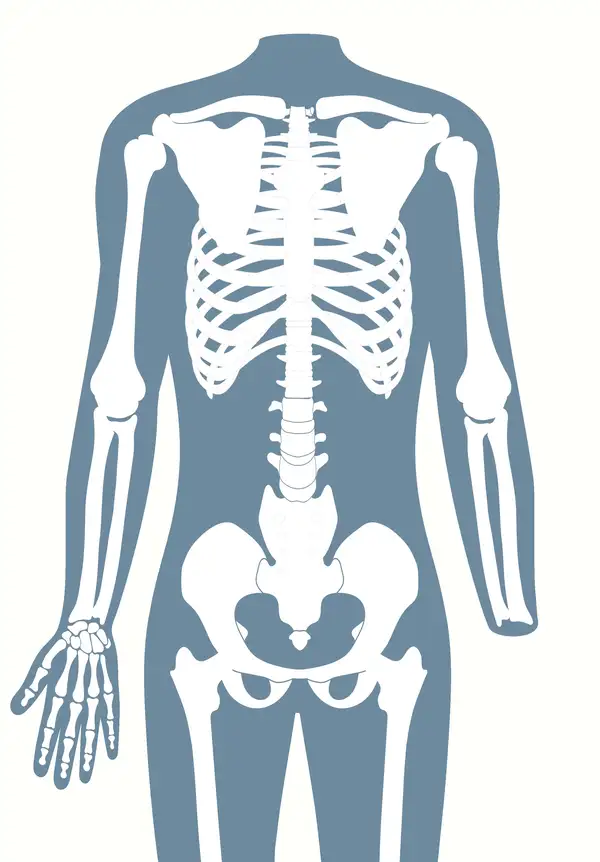
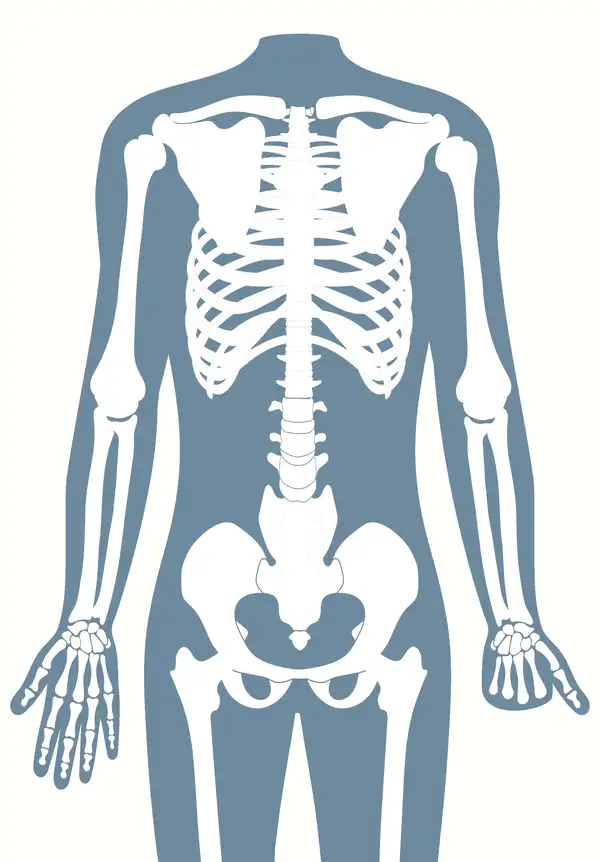
Arm prostheses are assistive devices that replace missing limb sections of the arm, ranging from the hand to the shoulder. Their goal is to compensate for lost functions as much as possible and to complete the physical appearance. Depending on the design, they can also enable gripping or rotating movements. They are individually built from components such as a socket, modular parts, and functional components (e.g., a hand).
Cost coverage for a prosthetic fitting is usually applied for at the responsible funding body (e.g., statutory or private health insurance, accident insurance). The application is reviewed individually there. If there is a valid claim for treatment, the costs are generally covered. We support you throughout the application process.
The cost of an arm prosthesis depends heavily on the components used and the intended purpose (e.g., everyday life, sports, waterproof version). Due to the wide selection of functional parts, prices can vary considerably.
The choice of prosthetic components is a highly individual decision. It depends heavily on your personal goals, physical conditions (e.g., residual limb condition, amputation level), and the intended use. Is the prosthesis primarily to be used in everyday life, for a specific professional activity, or for sports? Based on a detailed consultation and analysis, we design a fitting tailored to your situation.
Yes. Especially during the initial fitting phase—for example, with the help of an interim prosthesis—or during a new fitting, various functional parts can be tested. As a certified specialist company, we have experience with numerous prosthetic systems and can provide the eligible parts for a trial run as part of the fitting process.
Myoelectric prostheses utilize electrical signals generated on the skin surface when muscles are tensed. Electrodes integrated into the socket capture these signals and transmit them to a microprocessor in the prosthesis. This processor converts the impulses into control commands that activate motors for functions such as gripping or rotating.