Arm Prostheses

Regaining Grasping and Holding Functions in Everyday Life.

What are arm prostheses?

Our arms and hands are constantly in use, whether for precise movements or unconscious gestures. After an amputation in the arm area, prostheses can support you in compensating for part of the lost functionality. They help make everyday actions feasible again.

Depending on the level of amputation, different treatment concepts are available. The spectrum ranges from purely visual (cosmetic) fittings to functional prostheses controlled either by body strength or electronic signals. Tuning the fitting to your individual physical conditions and needs is the foundation for adequate care.

The Components of an Arm Prosthesis

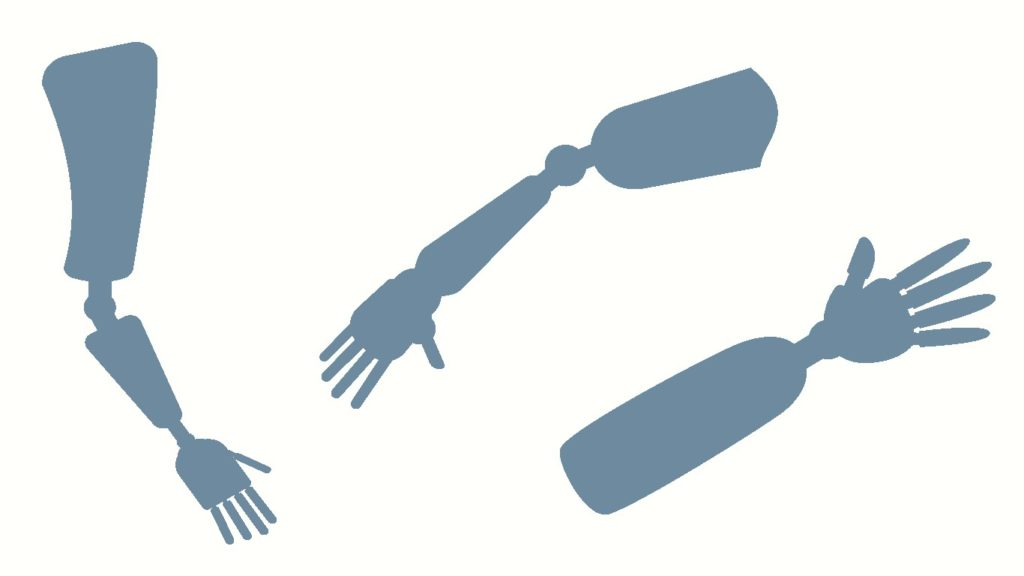
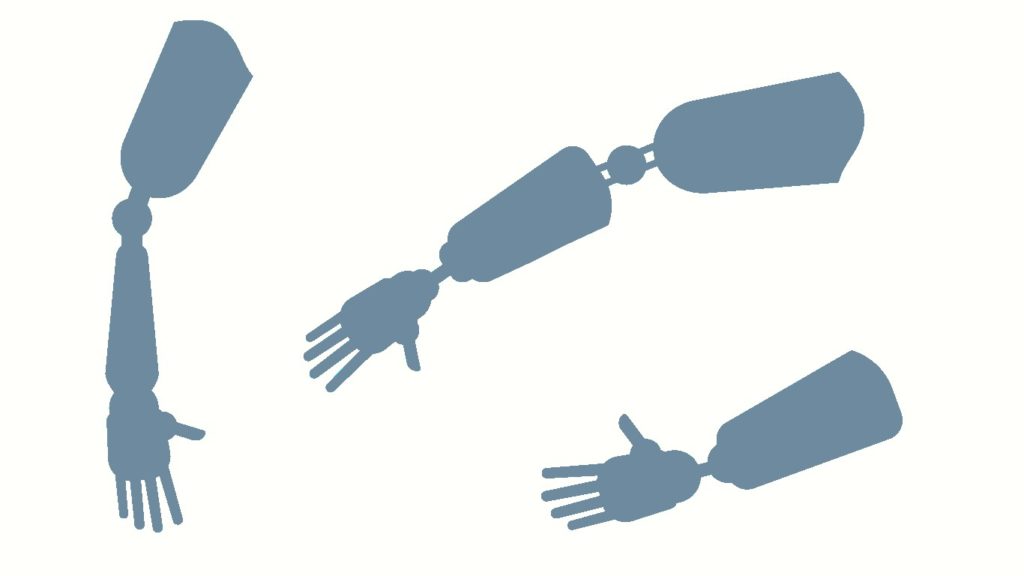
Arm prostheses consist of several coordinated components. Basically, these can be divided into three main groups:

The Socket

This is the crucial interface and connecting element between the amputated limb (residual limb) and the prosthesis.

Functional Components

These parts serve to replace specific functions, such as opening and closing a hand or bending the elbow.

Connecting Elements / Adapters

Sie stellen die mechanische Verbindung zwischen dem Schaft und den funktionalen Komponenten her und dienen unter anderem dem Längenausgleich.

Types of Arm Prostheses

Every Fitting is a Custom Fabrication

Arm prostheses vary greatly depending on whether they replace part of the hand or extend up to the shoulder. They are primarily distinguished by their intended use and the type of control, ranging from purely passive models to systems for complex movement sequences.

INTERIM / TEST PROSTHESES

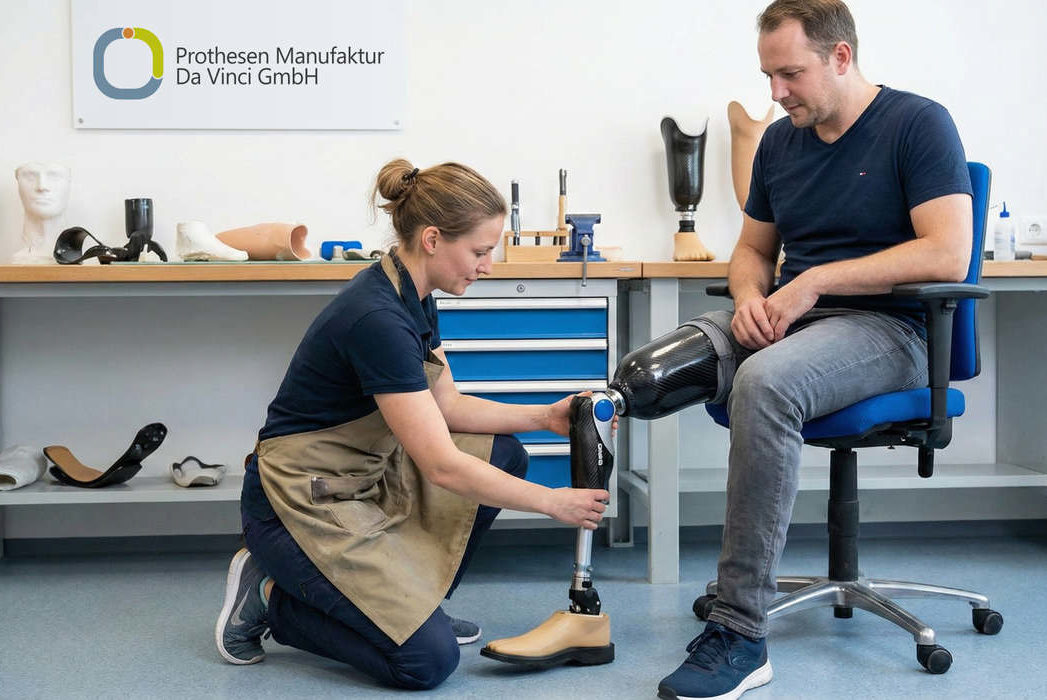
In the fitting phase, on the way to the definitive supply, we often manufacture an interim or test prosthesis after successful authorization. This makes it possible to adjust and test elements like the socket over a longer period. At the same time, this phase offers the opportunity to test different control methods or hand systems. We take the necessary time for this to find a solution that best meets your requirements.

DEFINITIVE PROSTHESES

When the fit of the socket, the selected components, and the functionality meet your requirements in everyday life, the definitive prosthesis is manufactured. This is designed for long-term use and is made of resistant materials such as carbon fibers, polymer resins, or silicone to withstand daily stresses. The visual design can also be individually tailored—whether discreet, modeled on the natural appearance, or technical and modern.

Functionality and Usage of Hand or Arm Prostheses

Passive Prostheses (Cosmetic Prostheses)

The focus of these prostheses is on restoring an external appearance that is as inconspicuous as possible. They are therefore also referred to as passive prostheses, as they generally do not have active grasping functions. In addition to the visual aspect, which can be important for well-being, they often fulfill a static function: they can serve as a counter-support and, through their weight, counteract imbalance and potential postural damage.

Myoelectric Prostheses (Externally Powered)

Electrically driven components are often used for executing active movements. Since the energy for the movement is supplied externally (e.g., by a battery), these are referred to as externally powered prostheses. Control is myoelectric: electrodes integrated into the socket and resting on the skin measure fine muscle tensions on the skin surface. These signals are processed by the prosthesis controller to trigger actions such as opening, closing, or rotating the hand.

Body-Powered Prostheses

With this type of fitting, the movement of the prosthetic components, such as the gripping mechanism of the hand, is initiated directly by the user’s body strength. Power transmission usually takes place via mechanical systems, such as special harnesses or cable systems, which utilize movements of the shoulder or upper body to control the prosthesis function.

Sports Prostheses / Custom Designs

Special prostheses or adapters can be manufactured for specific requirements in sports, at work, or for hobbies. These are often optimized for a very specific activity, be it for athletic disciplines, leisure use (e.g., cycling, hiking, paddling), holding tools, playing an instrument, or handling equipment. The construction here depends heavily on the respective activity and the needs of the wearer.

The Amputation Level

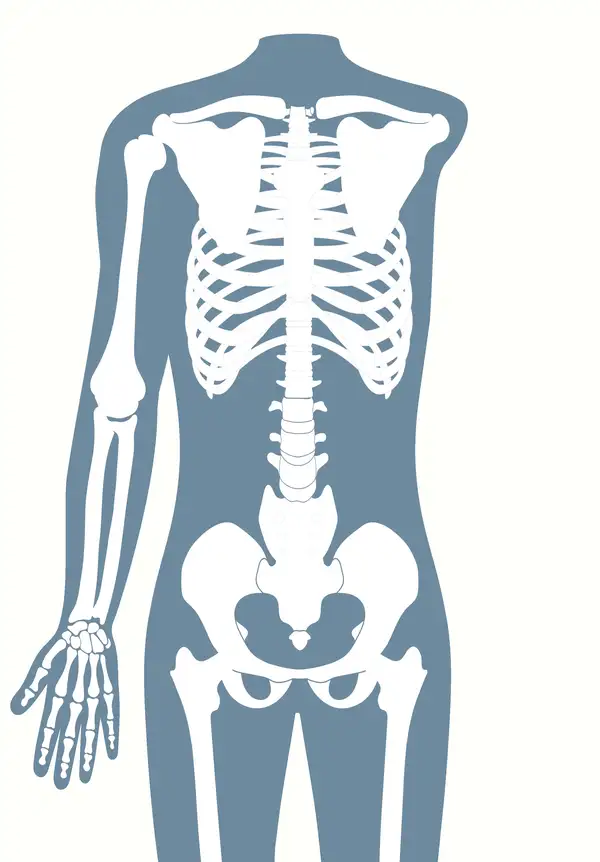
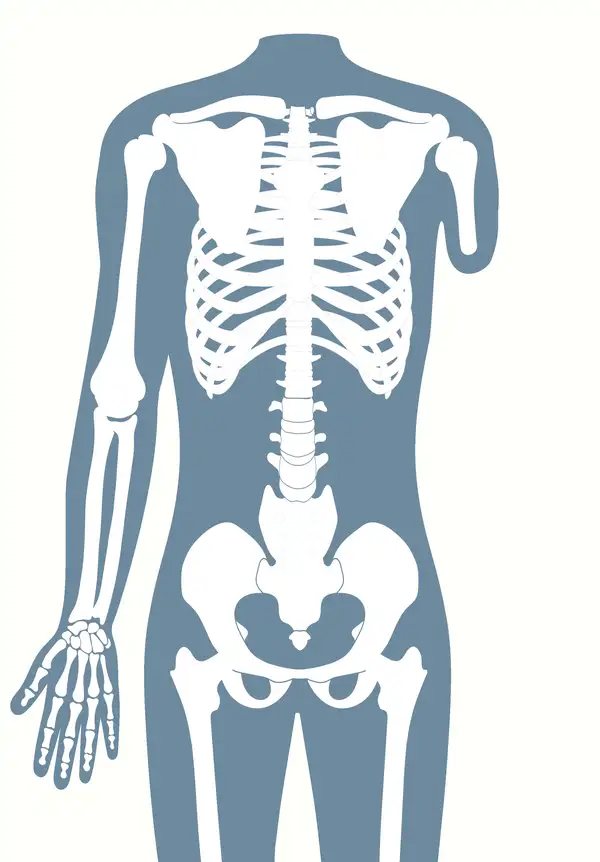
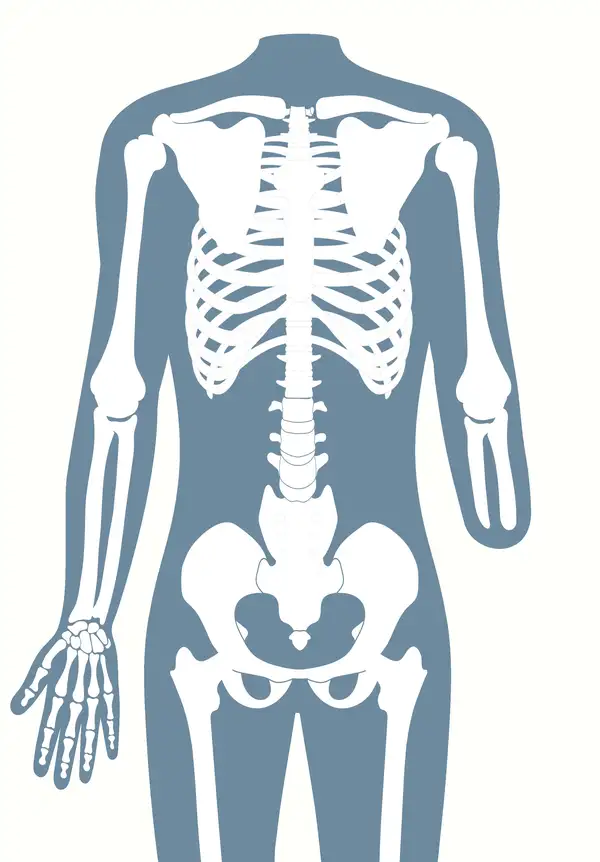
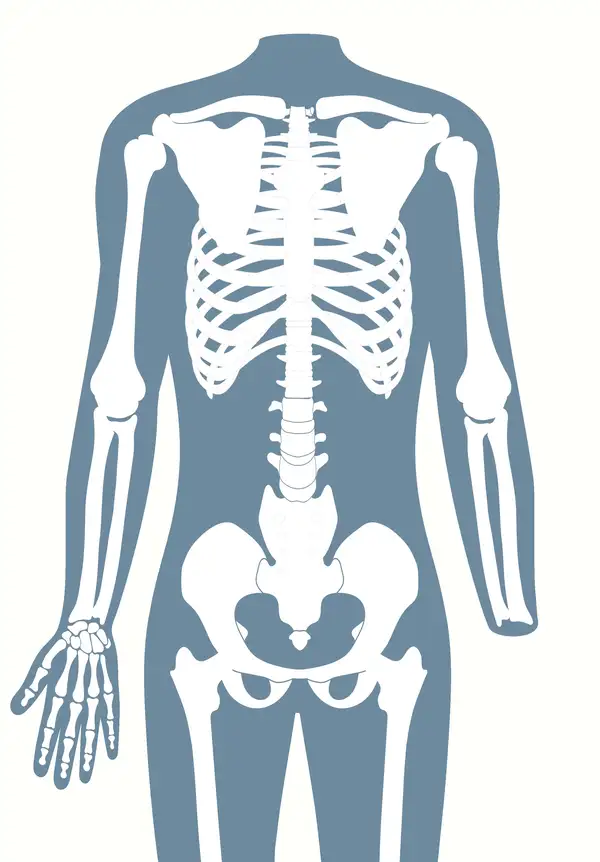
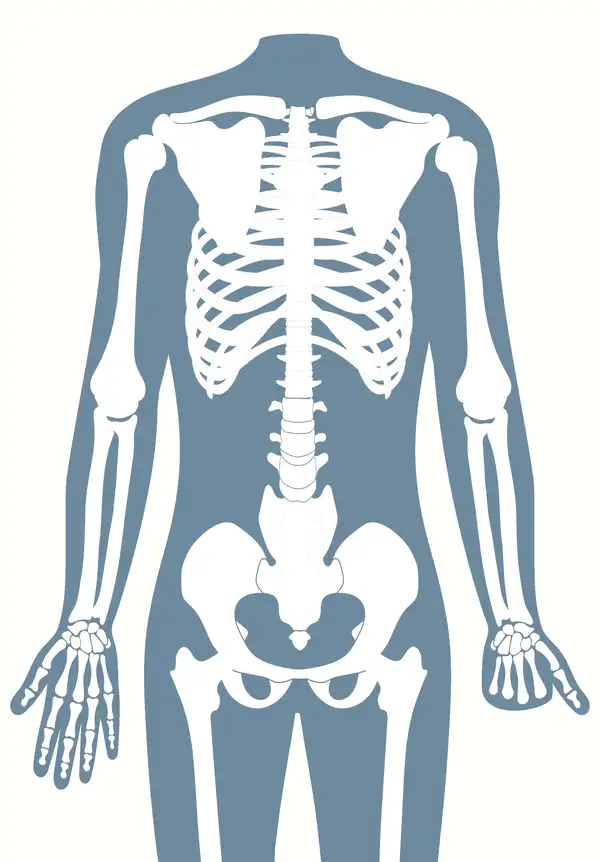
The height of the amputation is an essential factor in the selection of prosthetic components. A fitting must consider the specific anatomical conditions of the residual limb and the function of the remaining joints. The following overview shows different amputation levels and the typically required components for an individual fitting.

SHOULDER DISARTICULATION / SHOULDER GIRDLE AMPUTATION

Amputationsart:

Shoulder disarticulation (separation at the shoulder joint) or amputation of the shoulder girdle.

Description:

The entire arm including the shoulder joint (disarticulation) or parts of the shoulder girdle are removed.

Required Components:

Shoulder joint component, elbow joint, prosthetic hand, adapters, socket, (often) myoelectric control.

Type of Amputation:

Upper Arm Amputation (Transhumeral)

Description:

The humerus (upper arm bone) is severed. The remaining residual limb length (short, medium, long) influences the prosthesis design.

Required Components:

Elbow joint, prosthetic hand, adapters, connecting elements, socket, (often) myoelectric control.

Type of Amputation:

Elbow Disarticulation

Description:

The amputation is performed through the elbow joint; the upper arm remains fully intact.

Required Components:

Prosthetic hand, special elbow joint hinges (to avoid excessive length), adapters, socket, control unit.

Type of Amputation:

Forearm Amputation (Transradial)

Description:

The radius and ulna in the forearm are severed. Here, too, a distinction is made between short, medium, and long residual limbs.

Required Components:

Prosthetic hand, adapters, connecting elements, socket, (often) myoelectric control.

Type of Amputation:

Dysmelia

Description:

Amputation through the wrist or a congenital malformation (dysmelia) where parts of the hand are missing.

Required Components:

Hand prosthesis (possibly with gripping function), adapters, connecting elements, socket.

Type of Amputation:

Wrist Disarticulation

Description:

Amputation through the wrist or a congenital malformation (dysmelia) where parts of the hand are missing.

Required Components:

Hand prosthesis (possibly with gripping function), adapters, connecting elements, socket.

Type of Amputation:

Partial Hand Amputation, Finger Amputation

Description:

Individual fingers, finger segments (phalanges), or parts of the metacarpus (hand) are missing.

Required Components:

Individual finger or partial hand prostheses (e.g., made of silicone); depending on the case, body-powered or externally powered solutions.

Do You Have Questions?

We are happy to provide a personal consultation!

Do you have any unanswered questions, or would you like an assessment of your current fitting situation? No matter whether you are about to receive your first prosthesis or already have many years of experience as a user—we take the time to discuss your concerns in detail.

You are welcome to schedule an appointment for a personal consultation at our facility, or contact us in advance by phone. Together, we will clarify what concrete possibilities modern orthopedic technology offers for your individual needs.

FAQs

Arm prostheses are assistive devices that replace missing limb sections of the arm, ranging from the hand to the shoulder. Their goal is to compensate for lost functions as much as possible and to complete the physical appearance. Depending on the design, they can also enable gripping or rotating movements. They are individually built from components such as a socket, modular parts, and functional components (e.g., a hand).
Cost coverage for a prosthetic fitting is usually applied for at the responsible funding body (e.g., statutory or private health insurance, accident insurance). The application is reviewed individually there. If there is a valid claim for treatment, the costs are generally covered. We support you throughout the application process.
The cost of an arm prosthesis depends heavily on the components used and the intended purpose (e.g., everyday life, sports, waterproof version). Due to the wide selection of functional parts, prices can vary considerably.
The choice of prosthetic components is a highly individual decision. It depends heavily on your personal goals, physical conditions (e.g., residual limb condition, amputation level), and the intended use. Is the prosthesis primarily to be used in everyday life, for a specific professional activity, or for sports? Based on a detailed consultation and analysis, we design a fitting tailored to your situation.
Yes. Especially during the initial fitting phase—for example, with the help of an interim prosthesis—or during a new fitting, various functional parts can be tested. As a certified specialist company, we have experience with numerous prosthetic systems and can provide the eligible parts for a trial run as part of the fitting process.
Myoelectric prostheses utilize electrical signals generated on the skin surface when muscles are tensed. Electrodes integrated into the socket capture these signals and transmit them to a microprocessor in the prosthesis. This processor converts the impulses into control commands that activate motors for functions such as gripping or rotating.
Contact Form